

You Don’t Have to Hate Your Job to Know Something Isn’t Right






On 17 years of opening restaurants, loving every one of them, and leaving anyway.
I loved opening restaurants.
I loved walking into an empty room six weeks before launch and seeing what wasn’t there yet. The booths nobody had sat in. The kitchen nobody had cooked in. The opening night that hadn’t happened yet.
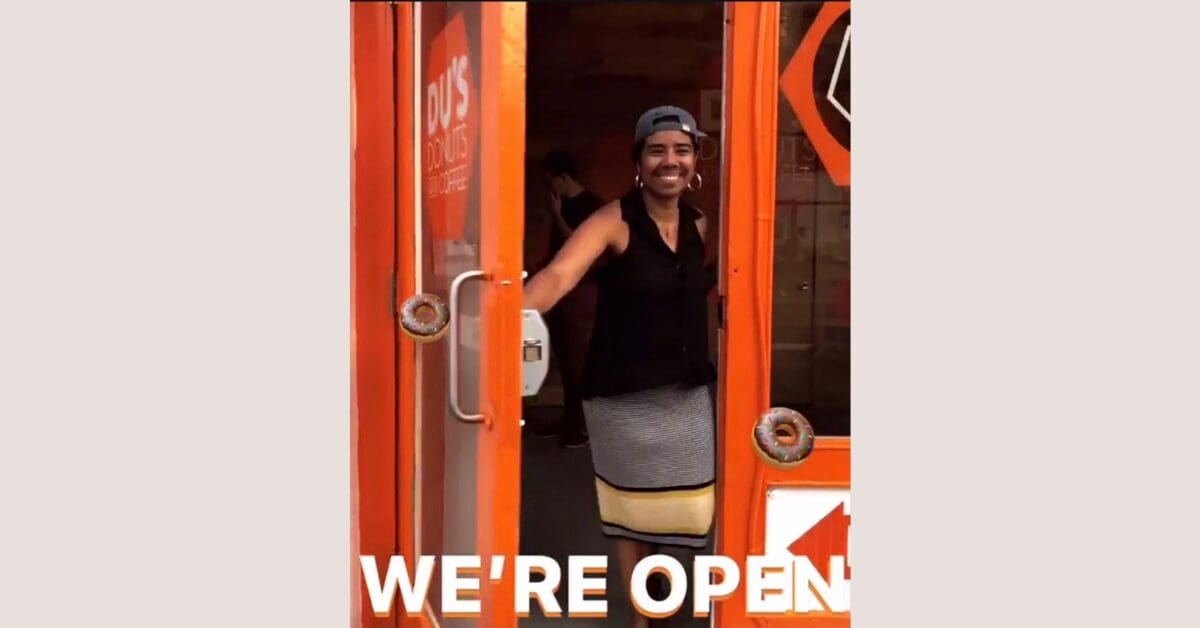
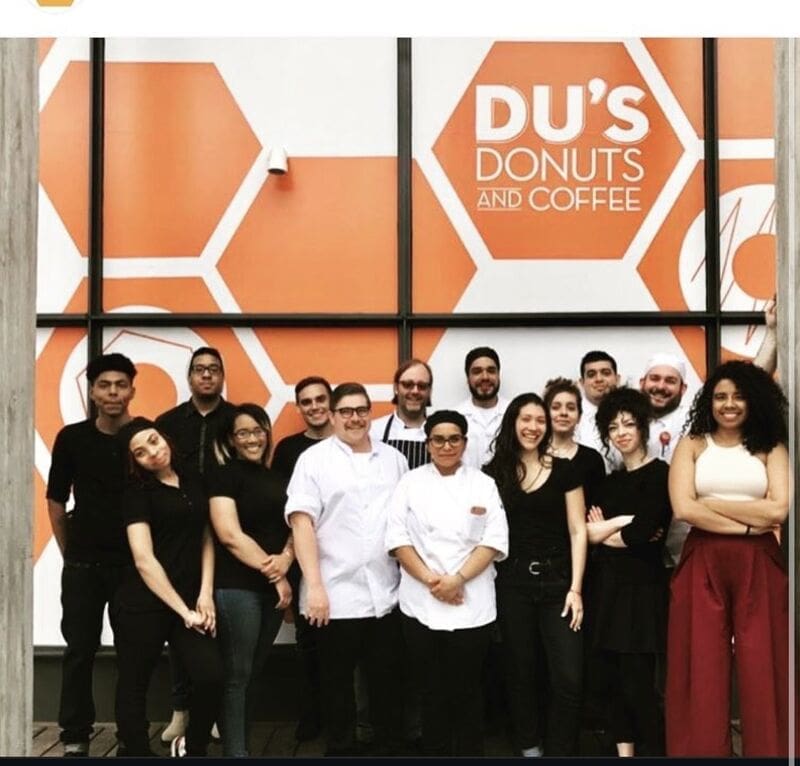
For 17 years, I opened restaurants for Wylie Dufresne, Kurt Gutenbrunner, Amanda Cohen, and Andrea Kerzner. I opened fine dining. I opened fast casual. I opened wholesale. I opened Du’s Donuts at The William Vale in April 2017.
I left every one of them.
Sometimes the restaurant closed
Sometimes I didn’t have a choice.
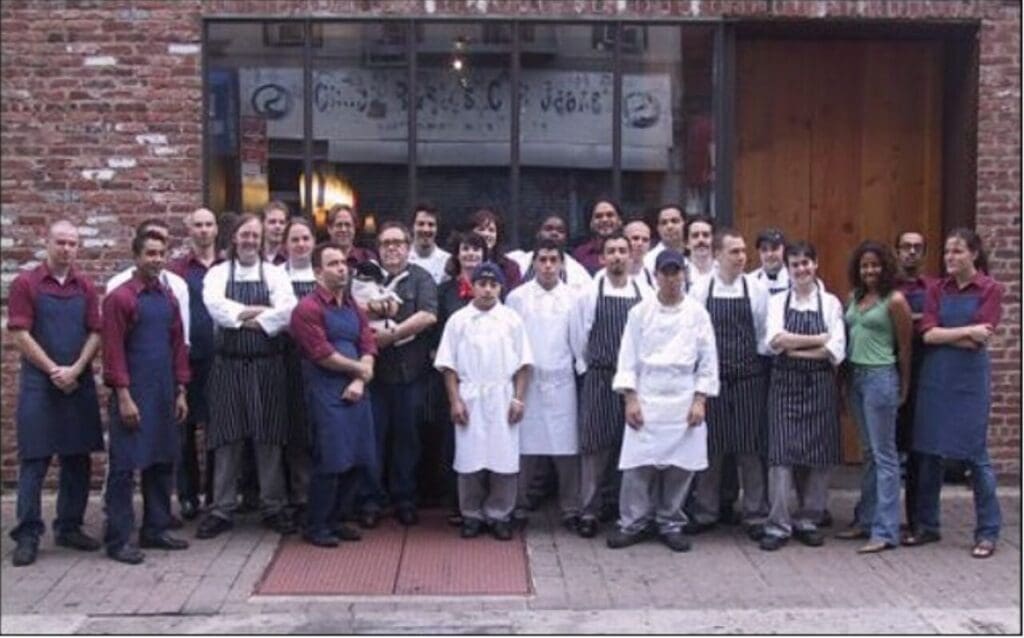
WD-50 closed in November 2014. Alder closed nine months later. I was laid off twice in less than a year, and there is no version of that year that doesn’t still live somewhere in my body.
Getting laid off from a job you loved rearranges you. Not because the job was perfect. Because the ending was written for you before you were ready to write it yourself.
There’s a specific quiet that happens when you walk out of a place you loved carrying a box of your things. Nobody prepares you for how much of your identity was in that building. Nobody prepares you for how much you’ll try to convince yourself that the next place will be different.
Sometimes I chose to leave
And sometimes I did have a choice. I chose to leave.
The part I never said out loud for years is that I usually loved the place I was leaving.
The team. The pace. The work. The 6 a.m. prep and the last seating. The version of me that showed up before anyone was watching and stayed after everyone had gone home.
I loved most of it.
I told myself for years that the reason I kept leaving was that I hadn’t found the right place yet. That the next restaurant would feel different. The next role would fit better. The next industry would be the one.
Restaurant to restaurant. Fine dining to fast casual. Then fast casual to wholesale. Then wholesale to hospitality tech.
Every time I told myself the same story. This time will be different.
Every time, six months in, I was carrying the same feeling I’d carried into the last one.
The pattern I couldn’t see
Then I moved into B2B SaaS at Toast, one of the fastest-growing companies in the industry. I got promoted every year I was there. I loved that job too.
Life had other plans. A family emergency meant stepping away from Toast sooner than I expected.
Even then, before I had the language for any of this, I was starting to notice something I couldn’t ignore.
The work was the work. I genuinely loved most of it. But no matter how much I changed the environment, I kept carrying the same patterns with me.
You don’t have to hate your job to know something isn’t right.
That’s the sentence I would have needed to hear ten years earlier. That’s the sentence I now say to almost every client on their chemistry call.
You can love the team. Love the pace. Love the mission. Love the work. And still feel a small, persistent, well-behaved sense that something is off.
That feeling is not a reason to blow up your life. It’s also not a reason to override it. It’s a signal. A signal that the version of yourself who thrived in the last chapter might not be the version who has to decide what comes next.
The version of me who kept saying yes
Looking back, I can name it now.
The version of me who opened restaurants was capable, driven, resourceful, exhausted, and running a strategy she didn’t know she was running.
She said yes because saying yes had always kept her safe. She built teams because building teams was the way she stayed connected. She worked long hours because working long hours was the way she stayed useful. She doubled down when things got hard because pushing through was the way she stayed capable.
None of those things were wrong. All of them were survival dressed as ambition.
The industry rewarded every single one. So did the people closest to me. My friends called me boss lady because I was running other people’s businesses in my twenties without the college degree they all had.
Nobody looked at me and said you know she’s running a pattern. They looked at me and said she’s driven. They looked at me and said she’s a builder. They looked at me and said give her the next opening.
One of my bosses wanted me to meet a potential investor for the next restaurant, a wealthy hedge fund guy. When he introduced me, he said, I don’t know exactly what she does every day for me here, but I do know that without her this place would not run. She’s got to be part of the next location.
That felt like praise. And it was. It was also survival being noticed by someone who couldn’t quite name it and needed it to keep running.
And I kept saying yes. And I kept moving. And I kept telling myself that the next place would be the one.
What I learned after 17 years of trying to fix it by leaving
You can’t fix a pattern by relocating it.
I left WD-50 at one point to move to Florida to be closer to my dad. That lasted two months before Dewey Dufresne called and asked if I wanted to come back as GM. And I came back. Same job. Same team. Same version of me showing up the same way.
Every time I left a job, I brought the same version of me to the next one. That version was capable. That version was driven. That version got promoted. That version also could not stop, could not slow down, and could not tell whether she was thriving or performing.
I thought the answer was the next restaurant. Then the next role. Then the next industry. What I wasn’t willing to look at yet was that I never changed how I showed up at the next one. I told myself it was about the people around me. The pace of the industry. The culture. I didn’t want to tell myself the truer thing. That I wasn’t setting boundaries because I was scared. That I accepted and never pushed back.
There’s another layer under all of this that I didn’t have language for until recently. I’m a Black and Latina woman. Some of the survival came from what the industry actually demanded of me in rooms where I was often the only. But not setting boundaries, not pushing back, not naming what I was actually feeling. That part was mine to look at. Both things are true at the same time.
The answer was actually noticing who I’d become inside those jobs. Not what I was doing. Not where I was doing it. Who I had become while doing it.
The next job doesn’t change what the last one revealed.
That’s what I mean when I say the job isn’t always the problem. It’s who you’ve become inside it.
What I do now
I coach people through this pattern.
I don’t help them decide whether to stay or leave. That’s the surface-level question. Underneath it is a deeper question about who they’ve become inside their work, whose voice is actually making the decisions, and what version of themselves needs to be in the room when they think about what comes next.
That’s the work I do now. Because it’s the work I most needed and couldn’t name for a decade of my own career.
A question to sit with
If you loved the job and left anyway, or love the job and can’t figure out why you keep circling the same thoughts about leaving, what if the answer isn’t the next job?
What if it’s noticing who you’ve become inside this one?
If you’re not sure where to start: take my Why Do I Feel Stuck? quiz. It gives you language for the patterns that might be shaping your current decisions.
Read next: The Difference Between Ambition and Survival — a companion piece that unpacks why the version of you that got you here isn’t always the version who should decide what comes next.
If this is landing for you, sign up for my letters. I write about identity at work, the patterns that got you here, and how to decide what comes next from awareness instead of survival.


Comments will load here
Be the first to comment